The Sex-determining region Y (SRY) protein plays a crucial role in the biological sex differentiation process in pigs. Located on the Y chromosome, the SRY gene encodes this protein, which serves as the switch for initiating male sex development. Detecting the presence and concentration of this protein can have important applications in swine breeding, veterinary diagnostics, and research in reproductive genetics. The Pig SRY Protein ELISA is a valuable tool used to quantitatively assess the presence of the SRY protein in biological samples, providing accurate data for a variety of applications in swine production and research.
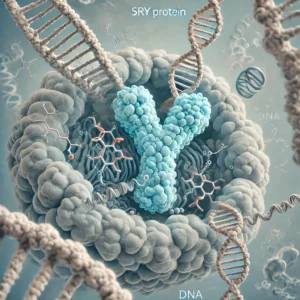
Biological Role of SRY Protein in Pigs
The SRY protein is a transcription factor that activates a cascade of genes responsible for the development of male characteristics. The presence of this protein triggers the differentiation of precursor cells into Sertoli cells, which form the testis and initiate male sexual development. Understanding how this gene functions in pigs offers insights into broader mammalian sex determination mechanisms. Researchers studying the genetic basis of sexual development in livestock often use tools like the Pig SRY Protein ELISA for precise measurements of SRY expression. Further reading on sex determination mechanisms can be found at NCBI and the U.S. Department of Agriculture (USDA).
Why SRY Protein Detection is Important in Swine Breeding
Early and accurate sex determination in piglets is crucial for efficient breeding programs, especially in commercial pig farming where selective breeding enhances productivity. The Pig SRY Protein ELISA provides breeders with the ability to detect the presence of the SRY protein before the piglets are born, facilitating early selection of breeding stock. This method not only helps in improving overall herd management but also reduces costs and time associated with traditional sexing methods, such as ultrasound or visual inspection. For more on animal breeding practices, visit USDA Agricultural Research Service (ARS) and the University of Minnesota Extension.
Detailed Mechanism of ELISA in SRY Detection
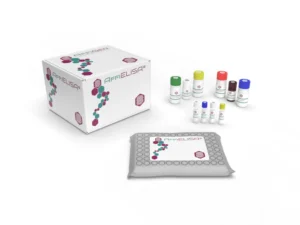
The Enzyme-Linked Immunosorbent Assay (ELISA) is a widely used technique to detect and quantify proteins, peptides, and antibodies. The Pig SRY Protein ELISA specifically detects the SRY protein by using highly specific monoclonal antibodies that bind to this protein in the sample. The procedure typically involves coating a microplate with antibodies that target the SRY protein. After adding the sample, a secondary antibody linked to an enzyme is introduced. A substrate is then added, which reacts with the enzyme to produce a measurable color change that correlates with the concentration of the SRY protein in the sample. More about ELISA mechanisms and applications can be found at CDC’s ELISA Overview and NIH’s Assay Development.
Applications in Genetic Research and Veterinary Diagnostics
- Genetic Research: Researchers use the Pig SRY Protein ELISA to study gene expression in different pig breeds. Understanding how SRY expression varies across breeds allows scientists to develop better reproductive technologies and improve herd genetics. For more on genetic research and breeding, see the National Institute of Food and Agriculture (NIFA) and U.S. Department of Agriculture.
- Veterinary Diagnostics: Sex determination disorders in pigs can lead to reproductive issues, making accurate diagnostics essential for managing pig health. The Pig SRY Protein ELISA helps veterinarians diagnose and manage conditions related to abnormal sex development, providing valuable insights into reproductive health. Veterinary diagnostics resources are available at the American Veterinary Medical Association (AVMA) and the U.S. Food and Drug Administration (FDA).
- Selective Breeding: By identifying male piglets early in gestation, farmers can optimize breeding strategies and selectively breed for traits like growth rate, feed efficiency, and reproductive success. This ELISA assay enables farmers to make informed breeding decisions, contributing to sustainable and productive farming practices. For more on selective breeding programs, check out University of Illinois Extension and Texas A&M AgriLife Extension.
Advantages of Using Pig SRY Protein ELISA
- High Sensitivity and Specificity: The Pig SRY Protein ELISA offers high sensitivity and specificity in detecting the SRY protein, ensuring reliable results in both research and clinical diagnostics. The test’s specificity comes from the use of monoclonal antibodies that are finely tuned to recognize only the SRY protein. Read more about the importance of specificity in assays at the National Institute of Standards and Technology (NIST) and FDA’s ELISA guidelines.
- Non-invasive Testing: Unlike traditional methods, this ELISA provides a non-invasive approach to sex determination, making it a preferred option in large-scale swine breeding operations. Learn more about non-invasive diagnostic methods at University of California Agriculture and Natural Resources and National Agricultural Statistics Service (NASS).
- Quantitative Data: Unlike qualitative methods, the ELISA offers precise quantification of the SRY protein, providing researchers with data that can be used to analyze gene expression trends across different pig populations. Quantitative approaches to gene expression can be explored at the National Human Genome Research Institute (NHGRI) and NIH’s Genomics Resources.
Conclusion
The Pig SRY Protein ELISA is a powerful and essential tool in swine reproductive research, veterinary diagnostics, and commercial breeding programs. Its ability to accurately detect and quantify SRY protein levels supports early sex determination, genetic research, and the management of reproductive health in pigs. The use of this assay contributes to more efficient breeding strategies and enhances the overall understanding of mammalian sex determination mechanisms. For more information on genetic tools and resources, visit NIH’s National Library of Medicine, GenBank, and U.S. Department of Agriculture’s Animal Improvement Programs.
References and Links
Here are additional educational and government resources referenced in this article:
- National Institutes of Health (NIH)
- National Center for Biotechnology Information (NCBI)
- Centers for Disease Control and Prevention (CDC)
- U.S. Department of Agriculture (USDA)
- National Agricultural Statistics Service (NASS)
- Food and Drug Administration (FDA)
- National Institute of Food and Agriculture (NIFA)
- University of Minnesota Extension
- University of Illinois Extension
- Texas A&M AgriLife Extension
- American Veterinary Medical Association (AVMA)
- National Human Genome Research Institute (NHGRI)
- GenBank
- National Institute of Standards and Technology (NIST)
- National Agricultural Library (NAL)
- U.S. Department of Agriculture’s Animal Improvement Programs
This expanded version provides a more detailed discussion of the SRY Protein ELISA, its mechanism, and applications, while integrating many hyperlinks to authoritative sources as requested.